What Is a Money Ceiling?
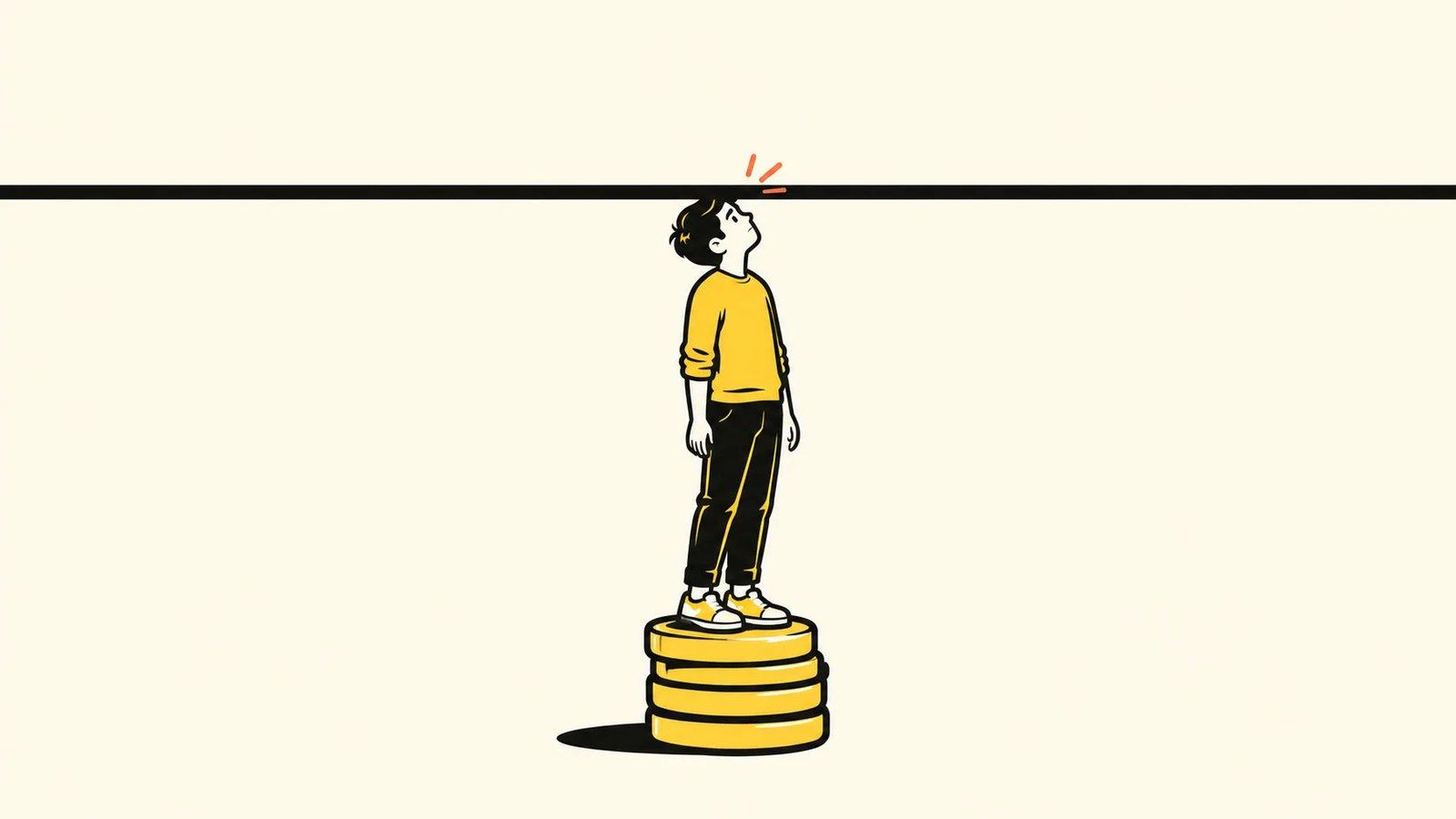
A money ceiling is the amount of money above which earning, having or keeping more starts to feel uncomfortable. Below it, money feels normal. Above it, people tend to feel tension, guilt or worry, and often act, without noticing, to return to the familiar level.
The term is informal. It is not a clinical diagnosis or a financial measure. It describes a pattern many people recognise in themselves: income, prices or savings that keep settling at roughly the same number, no matter how much effort or skill goes in.
A money ceiling in one example
Say you are a self-employed tradesperson. Five years ago you earned about $60,000 a year. Since then you have become faster, better and busier. You still earn about $60,000.
Looking back, there is no single bad decision. A price you meant to raise and did not. A large job you did not quote for. A very good month followed by an oddly slow one. A bonus that was gone within weeks. Each choice made sense at the time. Together they kept the total inside a range that felt like yours.
That range is the money ceiling.
What causes a money ceiling
A money ceiling is usually held in place by beliefs about money that were learned early and are rarely questioned. Financial psychologists Brad Klontz and Sonya Britt call these beliefs "money scripts": rules such as "people like us don't have that kind of money" or "wanting more is greedy" that form in childhood and quietly guide behaviour later. Psychologist Gay Hendricks described a related idea in The Big Leap as the "upper limit problem": an inner setting for how much success feels allowed.
Common roots:
- Family rules about money. What was said, and what was never discussed.
- Protection. More money can mean envy, requests for help, bigger decisions and bigger mistakes. Staying below a level avoids all of them.
- Identity. "I'm not a money person." Earning far more can feel like becoming someone else.
- Loyalty. Earning much more than parents, siblings or friends can feel like leaving them behind.
None of these is foolish. Each one protected something at some point. That is why a money ceiling resists being pushed through by effort alone.
Signs you have a money ceiling
- Your income returns to roughly the same number year after year.
- You lower your price before anyone asks you to.
- Extra money leaves quickly: a bonus, a large job or a refund is gone within weeks, and you cannot say where.
- You avoid looking at your accounts. You sit down to check, feel tension, and close the app.
- You feel uneasy when others know what you earn.
- Imagining a much larger amount in your account produces a physical reaction: a tight chest, a short laugh, an urge to change the subject.
One sign on its own means little. Several of them repeating over years usually point to a ceiling.
Money ceiling and money block: the difference
The two terms are often used as if they were the same. They describe two parts of one pattern.
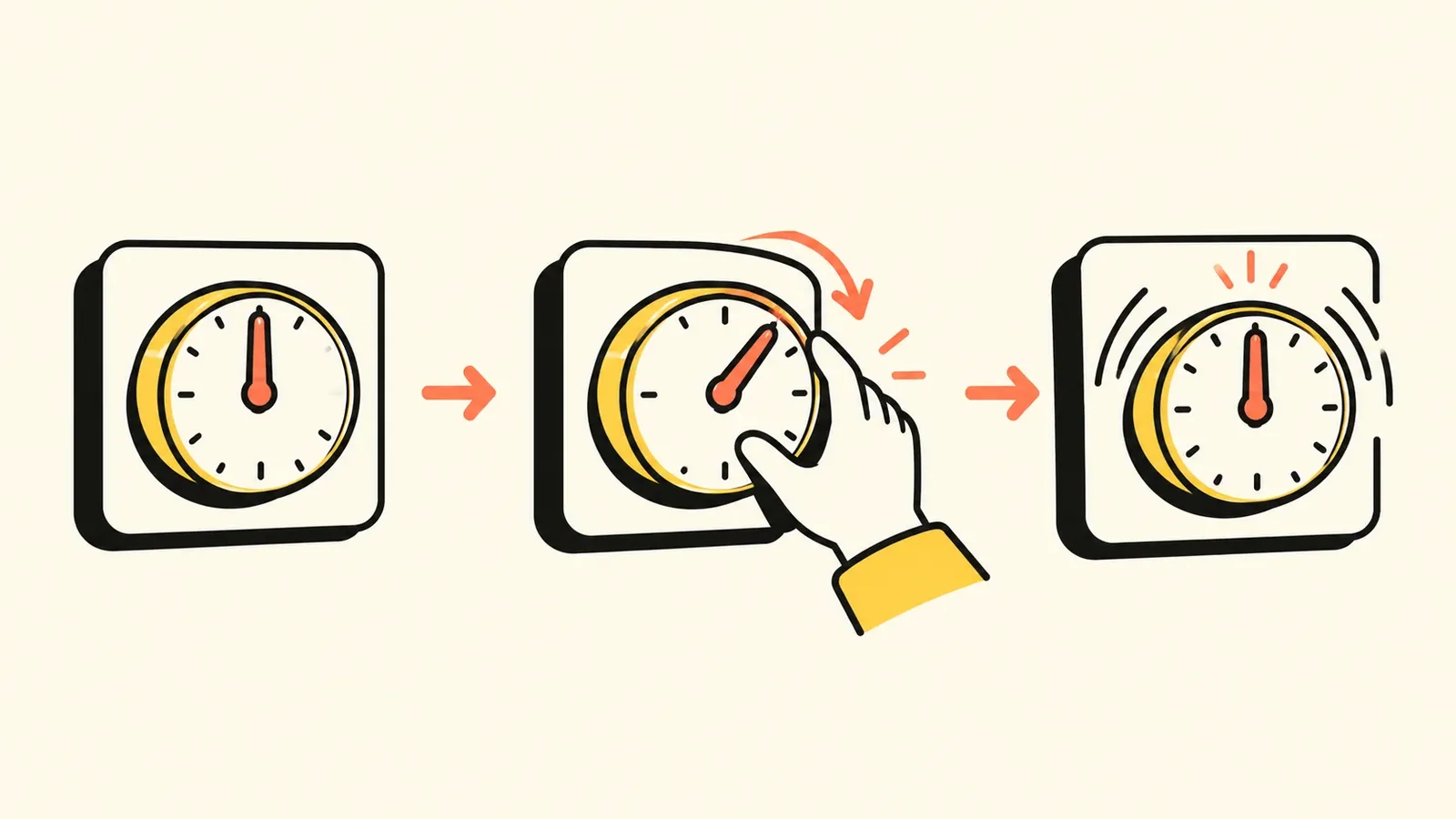
- The money ceiling is the amount. The level where comfort turns into tension.
- A money block is the belief behind it. The specific thought that makes that amount feel wrong, such as "I'd make a mistake and lose it" or "my family would think I've changed".
Knowing the amount tells you where to look. Knowing the block tells you what is holding it there. Different people can have the same ceiling for completely different reasons. Seven everyday signs of a block are described in money mindset blocks.
How to find your money ceiling
The most direct way is to stop thinking about money in general and react to specific amounts.
- Imagine an amount arriving in your account. It is simply yours: no strings, basic needs already covered, nothing to decide.
- Rate your discomfort from 1 to 10. 1 means calm, 10 means you would rather turn it down. Use your first reaction.
- Go up step by step: $1,000, $10,000, $50,000, $250,000, $1,000,000.
- Stop at the first amount you rate 4 or higher. That is roughly where your money ceiling sits.
- Write down the first thought that came with it, word for word. That thought points to the block behind the ceiling.
The free 2-minute money ceiling quiz runs this exercise for you. It shows amounts one at a time, finds where your reaction changes and draws the result as a chart. It never asks what you actually earn, save or owe, and it needs no account.

Can you raise a money ceiling?
Often, yes, though not by force and not overnight. Pushing far past the level that feels safe tends to end with a quiet return to it. What tends to work is slower and more specific:
- See it precisely: the amount and the first thought.
- Ask what the thought protects you from. Envy, mistakes, losing touch with someone.
- Test it with one small real action that goes slightly against the belief, and write down beforehand what you expect to happen. Then compare.
- Re-check the same amounts after two weeks. A lower score at the same amount is the clearest sign that something moved.
Nobody can honestly promise that this will raise your income. It changes how automatic the old pattern is, which gives you choices you did not have before. The full Money Ceiling session with an AI coach is built around these steps and ends with a written map and one experiment to try.
Frequently asked questions
Is a money ceiling the same as the upper limit problem?
They are closely related. The upper limit problem, described by Gay Hendricks, is about success and happiness in general. A money ceiling is the same kind of inner limit applied to money: income, prices and savings.
Is a money ceiling a real psychological condition?
No. It is an informal coaching term, not a diagnosis. It describes a pattern, and the research behind it is about money beliefs ("money scripts") and how they shape financial behaviour.
Can my money ceiling be different for earning and for keeping money?
Yes. Some people are comfortable earning a sum and uneasy keeping it, or the reverse. Others feel fine about money they earned and tense about money they were given or had to ask for.
Do I need to share my income to find my money ceiling?
No. You react to imagined amounts, not to your real numbers. The quiz on this site does not ask for income, savings or debts.
How long does it take to find it?
About two minutes for the amount. Understanding the belief behind it usually takes longer, which is what the full session is for.
This page is for self-reflection. It is not financial, legal, tax or psychological advice. If money worries come with persistent distress, please talk to a qualified professional.