Why You Avoid Looking at Your Money (It's Not Laziness)

You sit down to finally see where your money goes. You open the banking app or the spreadsheet. Your chest tightens. A minute later you are doing something else, and the app is closed.
If this is familiar, you have probably called it laziness or bad discipline. It is usually neither. It is a reaction, and it has a logic.
What money avoidance looks like
It rarely looks like a decision. It looks like:
- unopened statements and emails marked "later";
- a budget started three times and abandoned in the first week;
- knowing roughly what you earn and having no idea what you spend;
- paying a bill late although the money was there;
- a sudden need to clean the kitchen the moment you sit down with the numbers.
Financial psychologists Brad Klontz and Sonya Britt describe "money avoidance" as one of the common groups of money beliefs. Behavioural economists have a related name, the "ostrich effect": people check their accounts less often when they expect bad news. The pattern is ordinary enough to have two names.
Why it is not laziness
Lazy people avoid effort. Looking at a bank balance takes ten seconds. What you are avoiding is not the effort, it is the feeling that arrives with the number.
That feeling comes before any thought. Tight chest, shallow breath, an urge to stop. The body reacts first, and then the mind supplies a reasonable excuse: not tonight, I'm tired, I'll do it properly at the weekend.
This is why buying a better budgeting app changes nothing. The app was never the problem. You can do the arithmetic. You cannot stay in the room with the result.
What the avoidance protects
A reaction that strong is doing a job. As long as you do not look, several things stay comfortably unclear. Common ones:
- A verdict on yourself. "If I see the numbers, I will see how badly I have managed." Not looking keeps the verdict postponed.
- Decisions. A clear picture means choices: cancel this, stop that, say no to someone. Fog requires nothing.
- Hope. While the total is unknown, it might still be fine.
- An old rule. In some families money was the topic that started arguments. A child who learned to stay away from it was being sensible.
None of these is foolish. Each one made sense at some point. The cost is that the fog which protects you from the feeling also keeps the same situation in place, month after month.
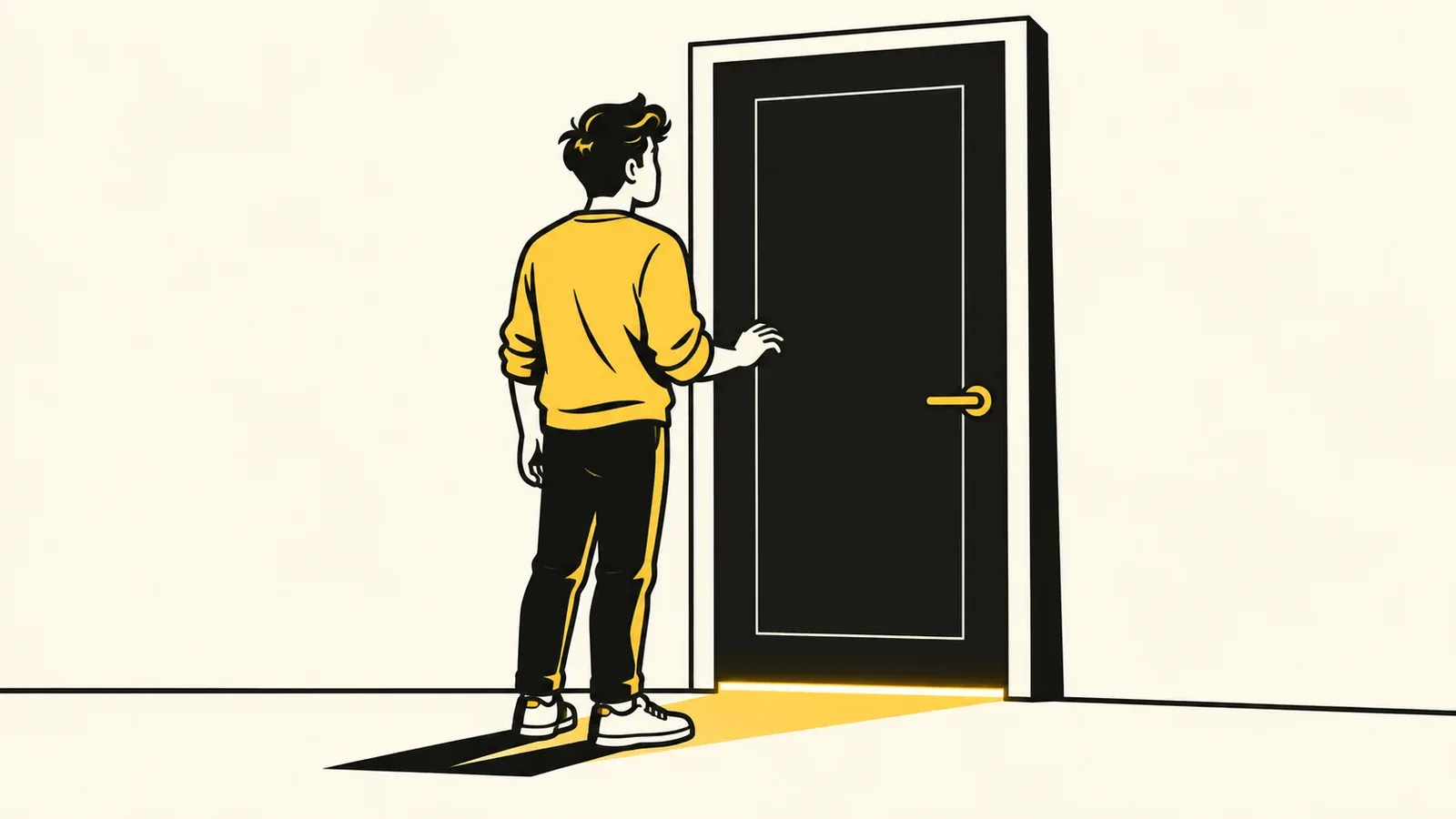
The link to income that does not move
Avoidance and a stuck income often travel together, and it is worth seeing why.
If looking at $3,000 of spending is uncomfortable, a larger amount is usually more so. More money means more to track, more to decide, more to get wrong. So part of you has a quiet reason to keep the numbers small and vague. You may work more and get better at what you do, and still arrive at the same total each year.
This does not mean avoidance is the cause of your income. Markets, health, family and luck all play a part. It means the same discomfort can show up in two places: when you look at what you have, and when you imagine having more.
A two-minute way to start
The usual advice is to track every expense for a month. For someone with this reaction, that is like prescribing a marathon to a person who cannot stay on the track for a minute. Start much smaller, and start with the feeling, not the spreadsheet.
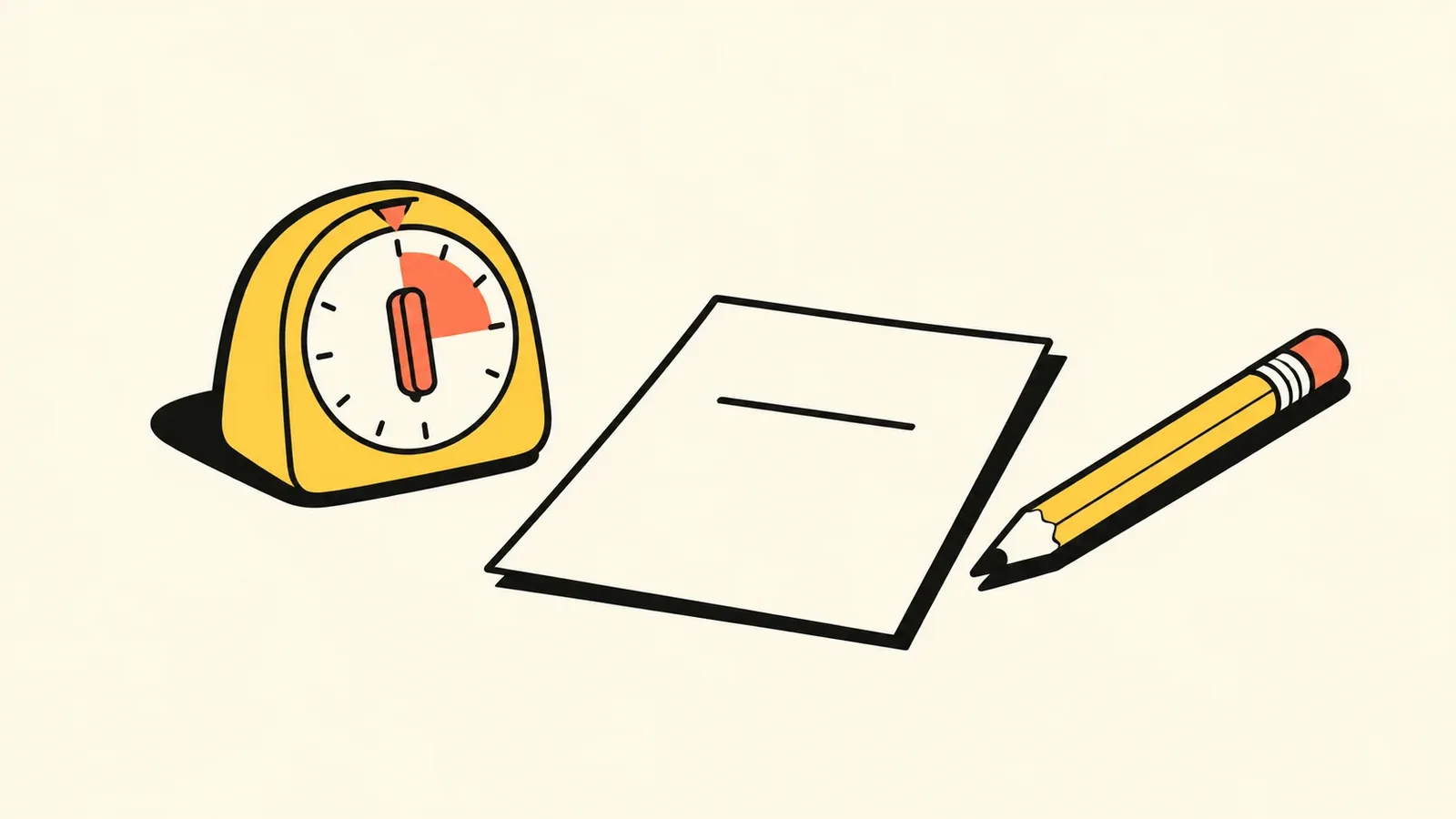
- Set a timer for two minutes. Open the account. Do nothing with what you see. No sorting, no fixing.
- Rate the discomfort from 1 to 10. Write the number down.
- Write the first thought exactly as it came. "I'm hopeless with this." "Where did it all go." "I don't want to know."
- Close it when the timer rings, even if you could go on.
That is the whole exercise. You are not trying to get your finances in order today. You are finding out what happens in you when you look, and showing yourself that you can stay for two minutes.
Repeat it a few days later and compare the numbers. Many people find the second look is easier than the first, and when it is not, the thought they wrote down tells them what the fear is about.
When two minutes start to feel manageable, writing down one expense a day is a natural next step. A simple free budget app like Budget Steps (made by the same team as Money Ceiling) lets you log it in a few seconds, without connecting a bank.
Find the amount where it starts
The discomfort is not the same at every amount. Most people are calm with small sums and tense with larger ones, and there is a point where the feeling changes.
The free 2-minute money blocks quiz looks for that point. It shows amounts one at a time, you rate your reaction from 1 to 10, and it stops where the reaction changes. It never asks what you earn, spend or owe, so there is nothing to look up and nothing to confess.
If you want to go further, the full session with the AI coach starts from that amount and helps you put the reaction into your own words, then ends with one small experiment to try.
What to expect
Understanding why you avoid the numbers will not make the feeling disappear. What tends to change is its authority. The tightness still comes, and you stay anyway, for two minutes, then five. A clear picture is built from many short looks, not from one heroic evening.
This article is for self-reflection. It is not financial, legal, tax or psychological advice. If money worries come with persistent anxiety or low mood, please talk to a qualified professional.